Connecting mind, body and soul through education - The purpose as described by Swadhaa
Updated: Jan 19, 2025
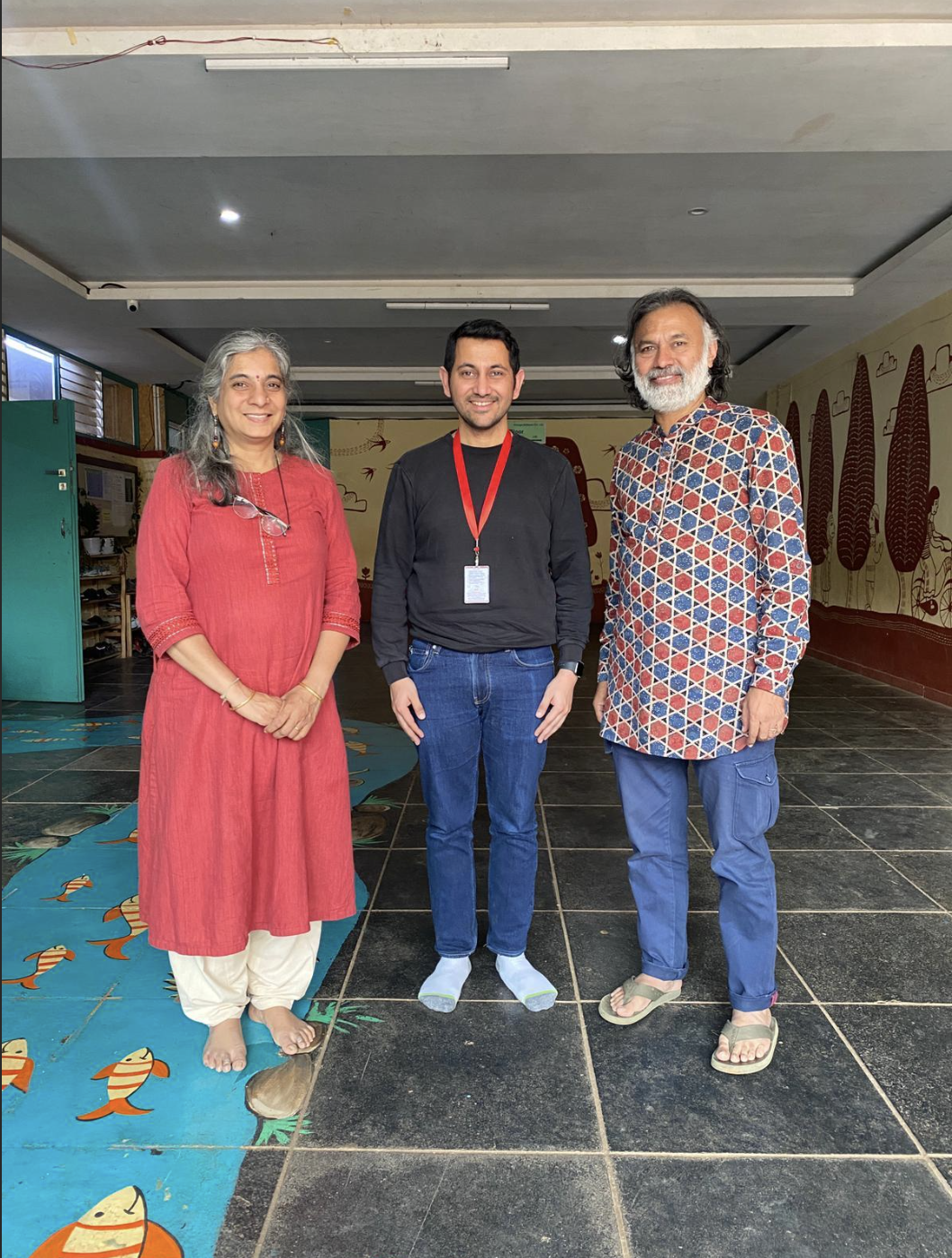
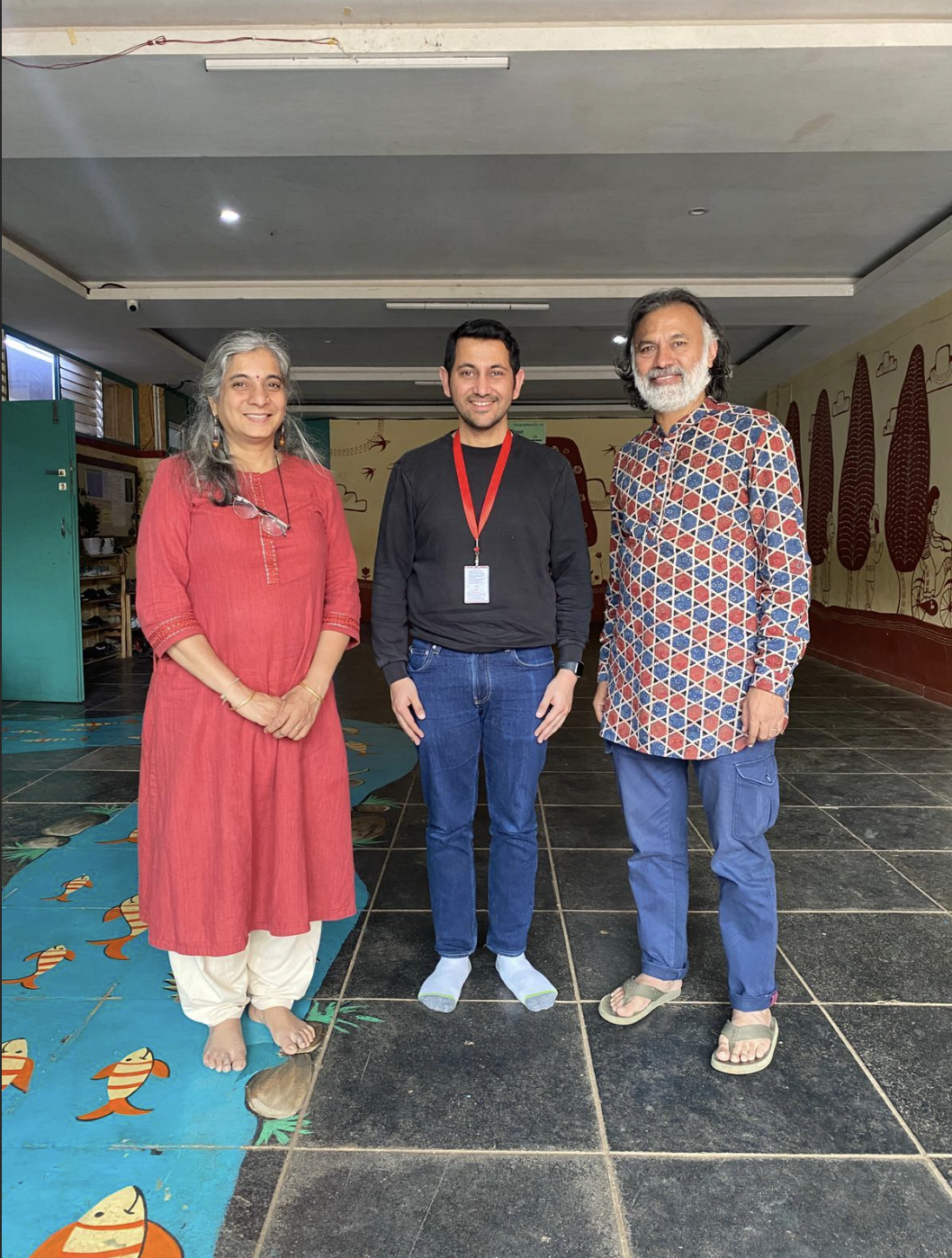
We live in a hyper competitive and dynamic world where the rules of engagement are constantly changing; what we know today evolves, disseminates and changes. There is a growing imperative to keep up and in the chase, more and more people are reporting burn-outs. Where does the pressure start? Is it at homes or in schools? Are we, as a culture, pushing our fears and anxieties on our children and teaching them that the only way to move ahead in life is to compete and comply? That may be the case and challenging these norms is a very unique school Suyash was lucky to visit to spend a day with - The Swadhaa School in Pune, Maharashtra.
Modelled after Waldorf Steiner’s threefold vision of the human being - mind, body and soul, the Swadhaa school offers a unique perspective on learning. Swadhaa, which means “one’s own nature or spontaneity”, taps into each child’s soul and nourishes them with curiosity, a sense of responsibility and love for all. Their approach to learning is rare and possibly out of context in a system that is designed for competition and meritocracy - every child is allowed to learn at their own pace. It is one of the few schools in India that follows the “Anthroposophy” model of education.
Here are some of the things we learnt from visiting their school and understanding their philosophies:
Teachers of the school are as encouraged as their students to work on their personal and mental growth as much as students. Their work in education is dictated by their desires and abilities to inspire and be inspired. To tap into the energy of a child, a teacher is encouraged to know their own souls first! In this manner, students are taught how to be emotionally intelligent and lean on the values of compassion to learn and grow.
They use a range of teaching methodologies in their classrooms to tap into the unique spirit of each child. In this manner, learning is a truly individualised experience so children don’t feel like they are pitted against each other. Students also feel a sense of belonging and a deeper commitment to learning goals when they feel like their abilities have a space in their learning environments.
A move like this may not receive the endorsement from our deeply competitive system but that is exactly why they believe a child must not just study, they must learn, even if it takes a little longer than usual. Knowledge building is a deep and rather reflective process and enough space must be given for it. Swadhaa enlists that as a core value and believes it is a crucial element in enabling students to find their own meaning and purpose in life.
Instilling a love for one’s culture is not merely an exercise in patriotism but it is one that fosters a love for their own identities. Besides that, children who are taught to own and be inspired by their own cultures tend to grow up with more tolerance and respect - two great hallmarks of Swadhaa’s learning principles.
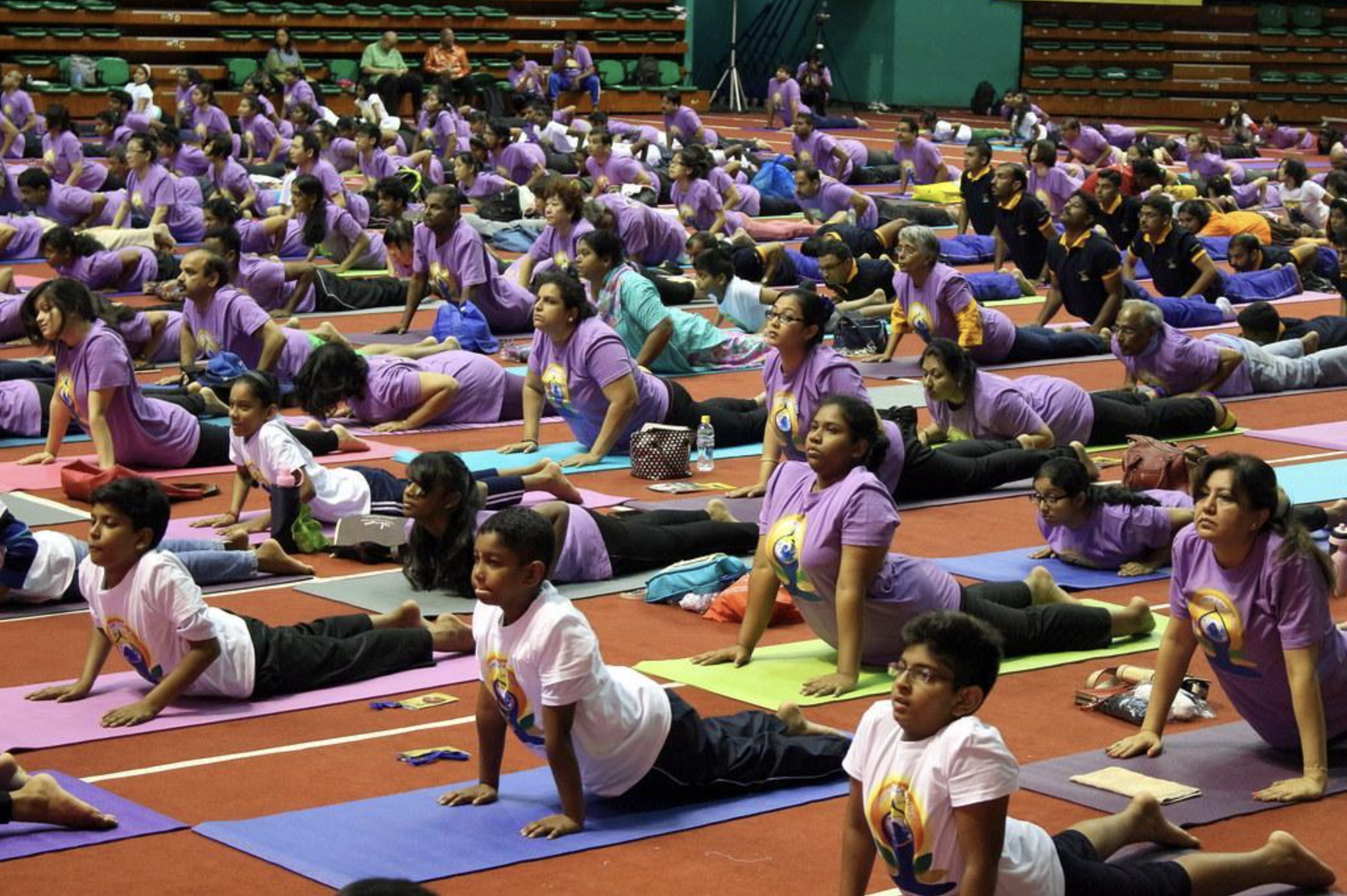
(An open source image of children doing yoga, an ancient Indian practices that is known to regulate and strengthen mind-body cohesion.)
Enough research has been done to show the mental benefits of spending time in nature. Scholars have often theorised that for the better cognitive growth of children, they need to connect with the nature around them. By fostering a love for the natural environment, Swadhaa is sending our students who may provide us with solutions on preservation and sustainability. With compassion comes solutions and planet Earth needs just that!
Ready to Join Our Next Cohort?
Take the next step in global experiential education. Applications are open.